


Show Table of Contents
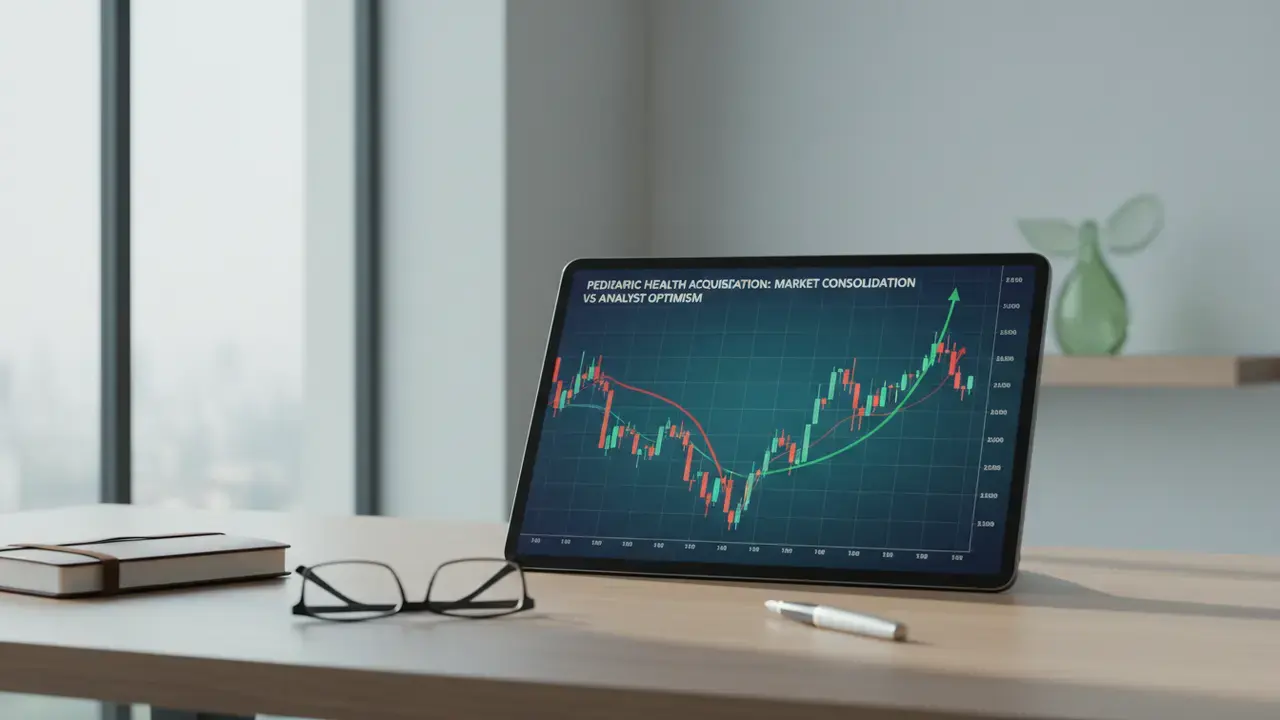
Cipla has acquired pediatric specialist Inzpera Healthsciences for Rs 111 crore, a small tuck-in deal aimed at strengthening its wellness and pediatric portfolio. While the acquisition itself is modest in scale, the stock’s muted reaction and broader technical weakness raise questions for traders. At Rs 1,511.50 (current price as of November 3, 2025), the stock is trading well below its all-time high of Rs 1,673.00 hit on October 23, down nearly 10% in just two weeks. For investors, the key question is whether analyst optimism around long-term targets justifies holding through this consolidation phase.
The Acquisition: What Happened
Cipla announced definitive agreements to acquire a 100% stake in Inzpera Healthsciences Limited for approximately Rs 110.65 crore on November 3, 2025. The enterprise value of the deal stands at Rs 120 crore, with the final purchase price subject to working capital adjustments. Inzpera, incorporated in 2016, specializes in developing, manufacturing, and marketing differentiated pediatric pharmaceutical and wellness products. The company reported revenues of Rs 26.75 crore in FY 2024-25, Rs 22.05 crore in FY 2023-24, and Rs 20.76 crore in FY 2022-23, showing steady but modest growth.
The acquisition is expected to close within one month from signing, requiring no regulatory approvals. Cipla’s strategy is to integrate Inzpera’s product portfolio with its extensive distribution network to drive scalability in the pediatric and wellness segments. This follows Cipla’s recent entry into obesity care through a partnership with Eli Lilly, reflecting a broader push into high-growth therapeutic areas beyond its traditional respiratory and chronic therapy strongholds.
Stock Performance and Analyst View
Cipla’s stock closed at Rs 1,511.50 on November 3, 2025, marking a marginal 0.68% gain on the acquisition announcement day. However, the stock has been under pressure, down 10% from its all-time high of Rs 1,673.00 reached just two weeks earlier on October 23. The 52-week range stands at Rs 1,335.00 to Rs 1,673.00, with the stock currently trading in the lower half of this range. Volume on November 3 stood at 1.5 million shares, relatively subdued compared to recent trading sessions, suggesting limited trader excitement around the news.
Despite near-term weakness, analyst sentiment remains constructive. Axis Direct (October 31, 2025) maintains a Buy rating with a Rs 1,700 target, implying 12.5% upside from current levels. ICICI Direct (October 31, 2025) raised its Buy target to Rs 1,745, representing 15.5% upside. The consensus across 15 reports from 9 analysts, according to Trendlyne (November 4, 2025), points to an average target of Rs 1,703.56, suggesting 12.7% upside. The broader consensus from 36 analysts tracked by Investing.com shows a Buy rating, with 22 recommending buy, 7 hold, and 6 sell. The average 12-month target of Rs 1,681.31 implies 11.2% upside, with a high estimate of Rs 1,875 (24% upside) and a low of Rs 1,320 (12.6% downside).
What This Means for Traders
The Inzpera acquisition itself is too small to move the needle for Cipla, a Rs 1.21 lakh crore market cap large-cap pharma. Inzpera’s Rs 26.75 crore revenue represents less than 0.4% of Cipla’s FY25 revenues of Rs 26,981 crore. This is a strategic portfolio play, not a financial catalyst. For traders, the real story is the stock’s recent 10% pullback from all-time highs and whether this presents a buying opportunity or signals deeper concerns.
From a technical standpoint, Cipla is trading below seven of its eight key simple moving averages (5-day, 10-day, 20-day, 30-day, 50-day, 100-day, and 150-day SMAs), with only the 200-day SMA providing support. The RSI at 41.3 suggests the stock is neither oversold nor overbought, while the MACD at -0.8 remains below center and signal lines, indicating bearish momentum in the near term. Support appears around the Rs 1,490-1,500 zone (recent lows from late October), while resistance sits at Rs 1,585-1,600 (recent weekly highs) and the all-time high of Rs 1,673.
For conservative traders, waiting for a break above Rs 1,585-1,600 with strong volume would confirm momentum reversal and reduce risk. Aggressive traders might view the Rs 1,490-1,510 zone as an accumulation opportunity, given analyst targets implying double-digit upside. However, risk management is critical: if the stock breaks below Rs 1,490, the next support lies near Rs 1,450-1,460, which could trigger further downside. The next major catalyst is Cipla’s Q3 FY26 earnings, scheduled for January 27, 2026, which will provide clarity on US generics performance (particularly Revlimid competition), domestic growth momentum, and margin sustainability.
Key risks to watch include continued margin pressure from US generics competition, slower-than-expected domestic growth (Cipla’s respiratory brands like Foracort and Duolin are facing stagnation), and broader market volatility that could pressure pharma stocks. If Q3 results disappoint or management lowers margin guidance, analyst targets may need revision downward.
The Bigger Picture: Pediatric Healthcare and M&A Trends
The Inzpera deal aligns with broader trends in India’s pediatric healthcare market, projected to grow from USD 441.6 million in 2024 to USD 654.2 million by 2033 at a 4.46% CAGR, according to IMARC Group (2024). Rising awareness of child health, increasing incidence of pediatric diseases, and government initiatives like Rashtriya Bal Swasthya Karyakram are driving demand. Leading pharma players including Sun Pharma, Dr. Reddy’s, and Cipla are actively expanding pediatric portfolios.
For Cipla, this acquisition complements its domestic strategy, where chronic therapies constitute 62% of India revenues. However, competitive pressures are intensifying. Glenmark is taking share in respiratory (Cipla’s stronghold) and cardiac segments, while Alkem and Abbott are outpacing Cipla in gastrointestinal and anti-diabetics. The pediatric and wellness push, combined with the Eli Lilly obesity care partnership, reflects Cipla’s efforts to diversify revenue streams and counter stagnation in legacy products.
The Bottom Line for Traders
The Inzpera acquisition is a strategic footnote, not a trading catalyst. The real decision for traders hinges on whether Cipla’s 10% pullback from all-time highs represents a dip-buying opportunity or the start of deeper consolidation. With analyst consensus pointing to 11-15% upside and targets ranging from Rs 1,680 to Rs 1,875, the long-term case remains intact. However, near-term technical weakness, bearish MACD, and trading below key moving averages suggest caution.
Conservative traders should wait for confirmation above Rs 1,585-1,600 before entering. Aggressive traders can accumulate near Rs 1,490-1,510 with strict stop-losses below Rs 1,480. The January 27, 2026 Q3 earnings will be the next major catalyst. Until then, Cipla remains range-bound, offering limited short-term momentum but potentially attractive risk-reward for patient investors targeting analyst price levels.
52 Week Range
Low: ₹1335.00
High: ₹1673.00
on Apr 7, 2025
on Jan 1, 1970
52 Week Low to All time High Range
Low: ₹1335.00
All-time High: ₹1673.00
on Apr 7, 2025
on Oct 23, 2025
Recent Returns
1 Week
-4.58%
1 Month
-0.41%
3 Months
-0.24%
6 Months
-2.04%
YTD
+2.17%
1 Year
+4.29%
News based Sentiment:
MIXED
Cipla: Strong Q2, Lilly Partnership, and Leadership Shift
Cipla delivered strong Q2 FY26 results and secured a significant partnership with Eli Lilly, indicating positive growth prospects. However, the announcement of a CEO transition and associated share price volatility introduce uncertainty, creating a mixed investment narrative for the month.
Cipla – Peer Performance Comparison
Disclaimer: This blog has been written exclusively for educational purposes and does not constitute investment advice or personal recommendations. The author is not SEBI-registered as an investment advisor. Recipients should conduct their own research and consult a qualified, SEBI-registered investment advisor before making any investment decisions. Investments in the securities market are subject to market risks; read all related documents carefully before investing.
